Category: IT Security
-
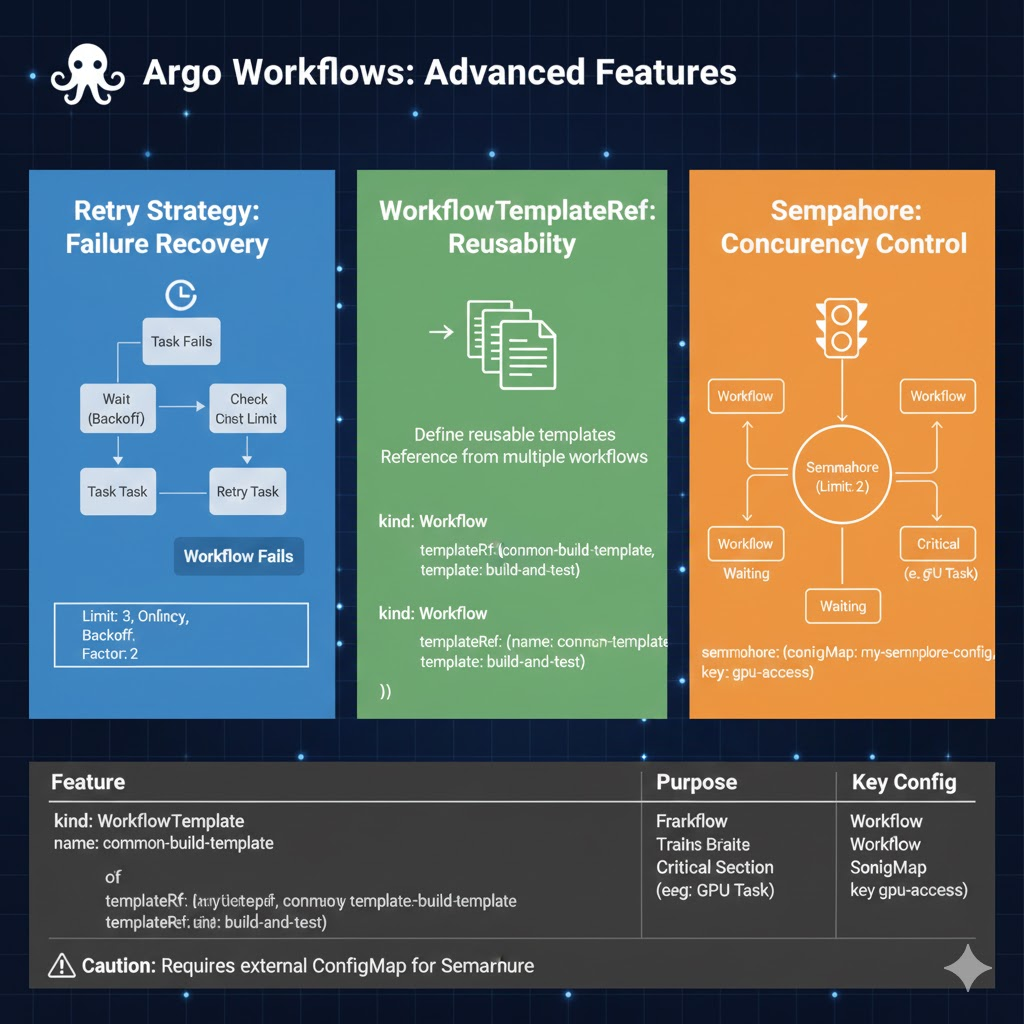
🏗️ Argo Workflows Advanced Guide: Mastering Failure Handling, Reusability, and Concurrency Control
Reliably operating complex batch jobs, CI/CD pipelines, and data processing workflows in a Kubernetes environment is no easy feat. Especially crucial are handling unexpected failures, managing reusable templates, and controlling the number of concurrently executing tasks. Today, we will delve deeply and thoroughly into Argo Workflows’ core advanced features: Retry Strategy, WorkflowTemplateRef, and Semaphore. Through…
-

🛠️ Argo CD x Kustomize Master Guide: Image Overrides and Version Pinning Techniques
When practicing GitOps in a Kubernetes environment, the most commonly used tool combination is Argo CD and Kustomize. However, during operations, you might encounter situations where you want to slightly change an image only in a specific environment, or where build results differ depending on the Kustomize version, leading to difficulties. Today, we will thoroughly…
-
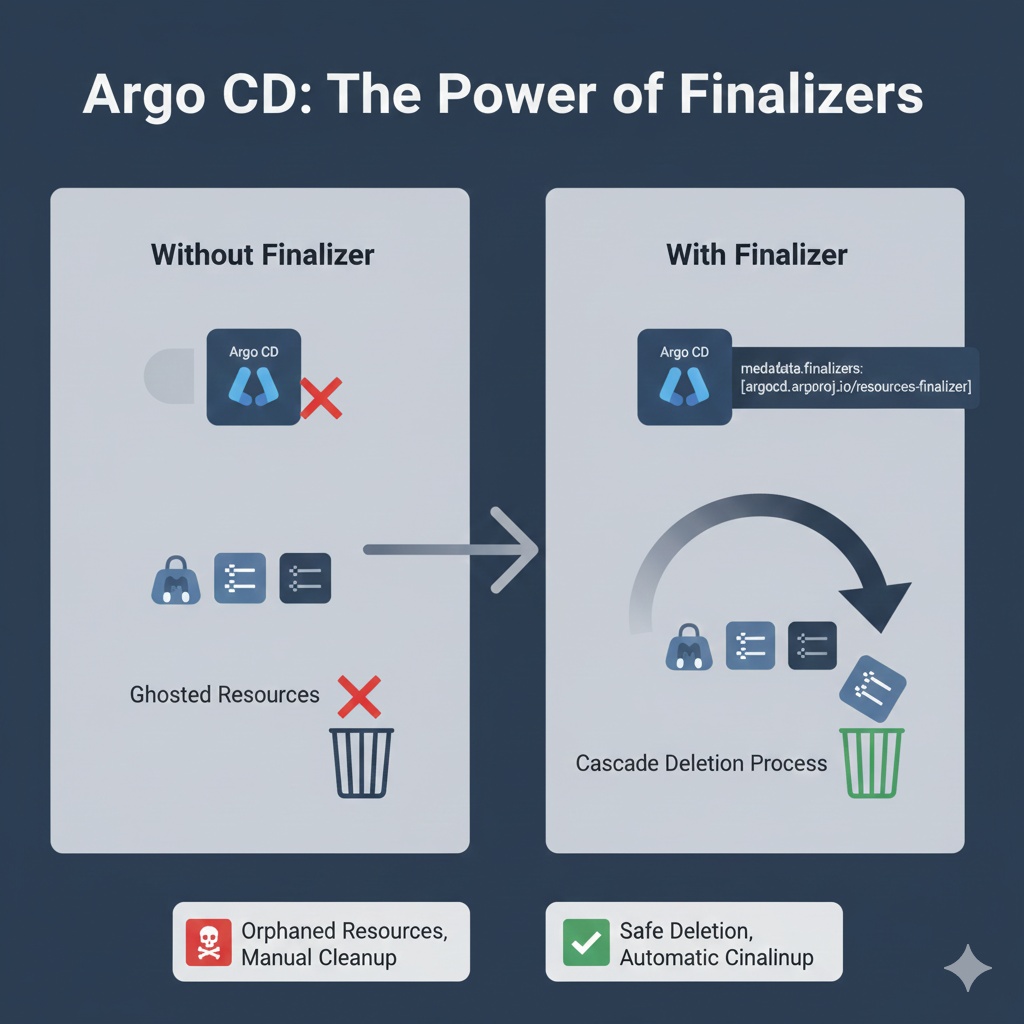
🛡️ Guardian of Safe Deletion in Argo CD: The Complete Guide to Resources Finalizer
resources-finalizer.argocd.argoproj.io is one of the most important features to handle in Argo CD’s Application resources. I will detail in a blog post format whether this feature is inherent to the Application resource itself, and why it is essential to understand it in an operational environment. 🚀 Have you ever been puzzled when using Argo CD,…
-

🚀 Argo Rollouts Deployment Strategy Complete Guide: Everything About Zero-Downtime Deployment
Deploying services safely and without interruption in a Kubernetes environment is every engineer’s dream. Today, we’re going to deeply explore the core strategies of Argo Rollouts, a powerful tool that turns that dream into reality. Beyond simple theory, we’ve prepared guidelines on which strategy to choose in practice, so please focus for just 10 minutes!…
-
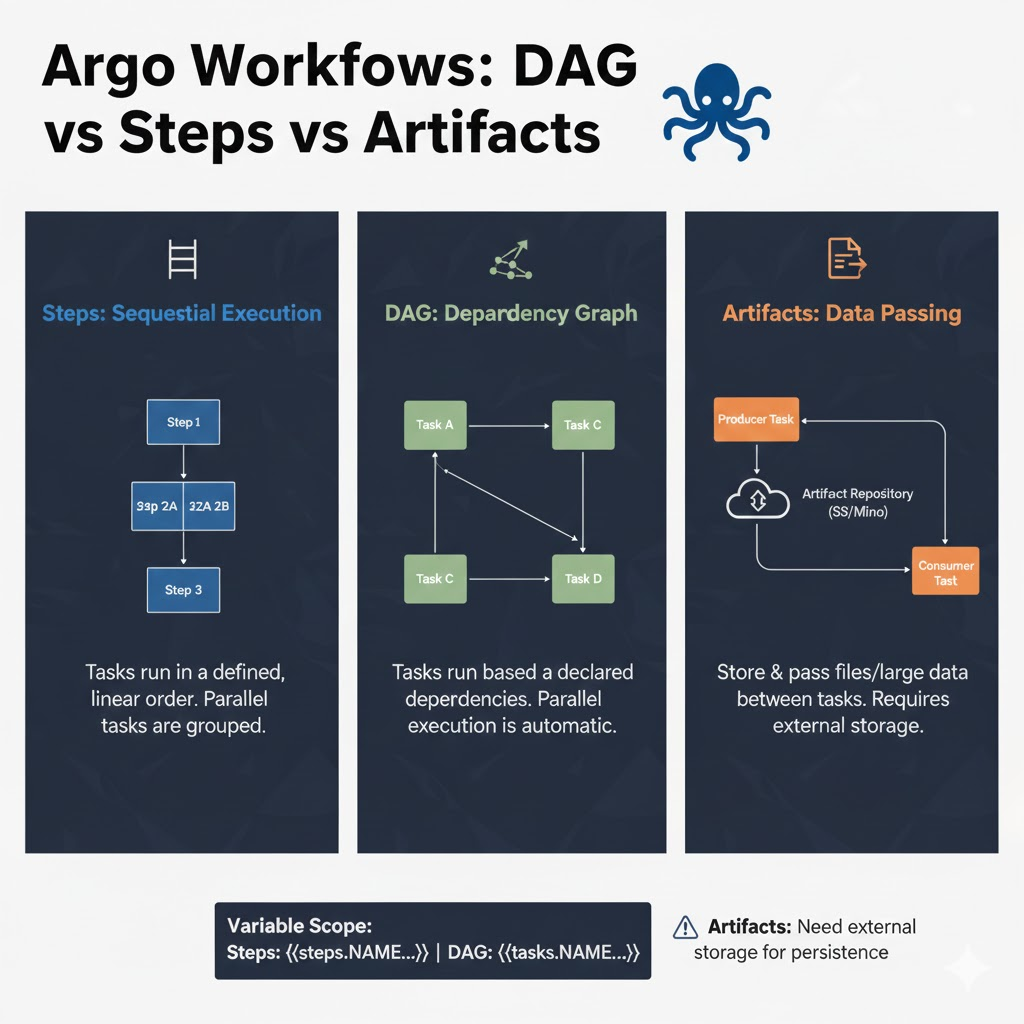
🏗️ Argo Workflows Design Guide: DAG vs Steps and Data Flow (Artifact)
Hello! Today, we’ll delve deeply into Argo Workflows’ core design philosophies: DAG and Steps, and Artifact, the key means of exchanging data between workflows. 🚀 By the time you finish reading this article, you’ll have a complete understanding of how to design complex pipelines and how to safely pass results from previous stages to the…
-
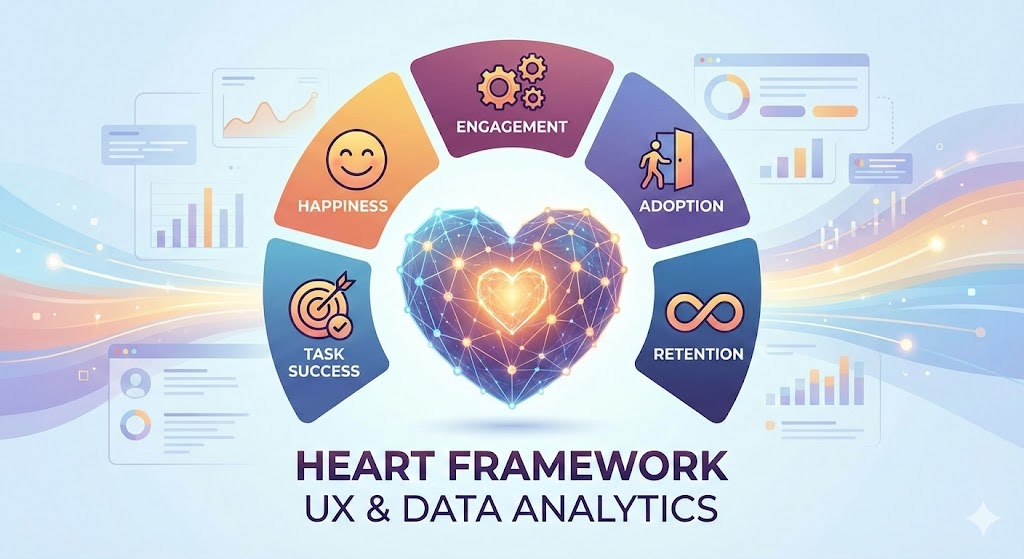
🎨 How to Read User Minds with Data: A Complete Guide to the HEART Framework
Hello! Today, I’d like to introduce the HEART Framework, which helps measure service success not just by numbers, but from the perspective of ‘User Experience (UX)’. If you invest just 10 minutes to read this article to the end, you’ll gain insights you can immediately apply to your projects. 😊 Planners or developers who feel…
-
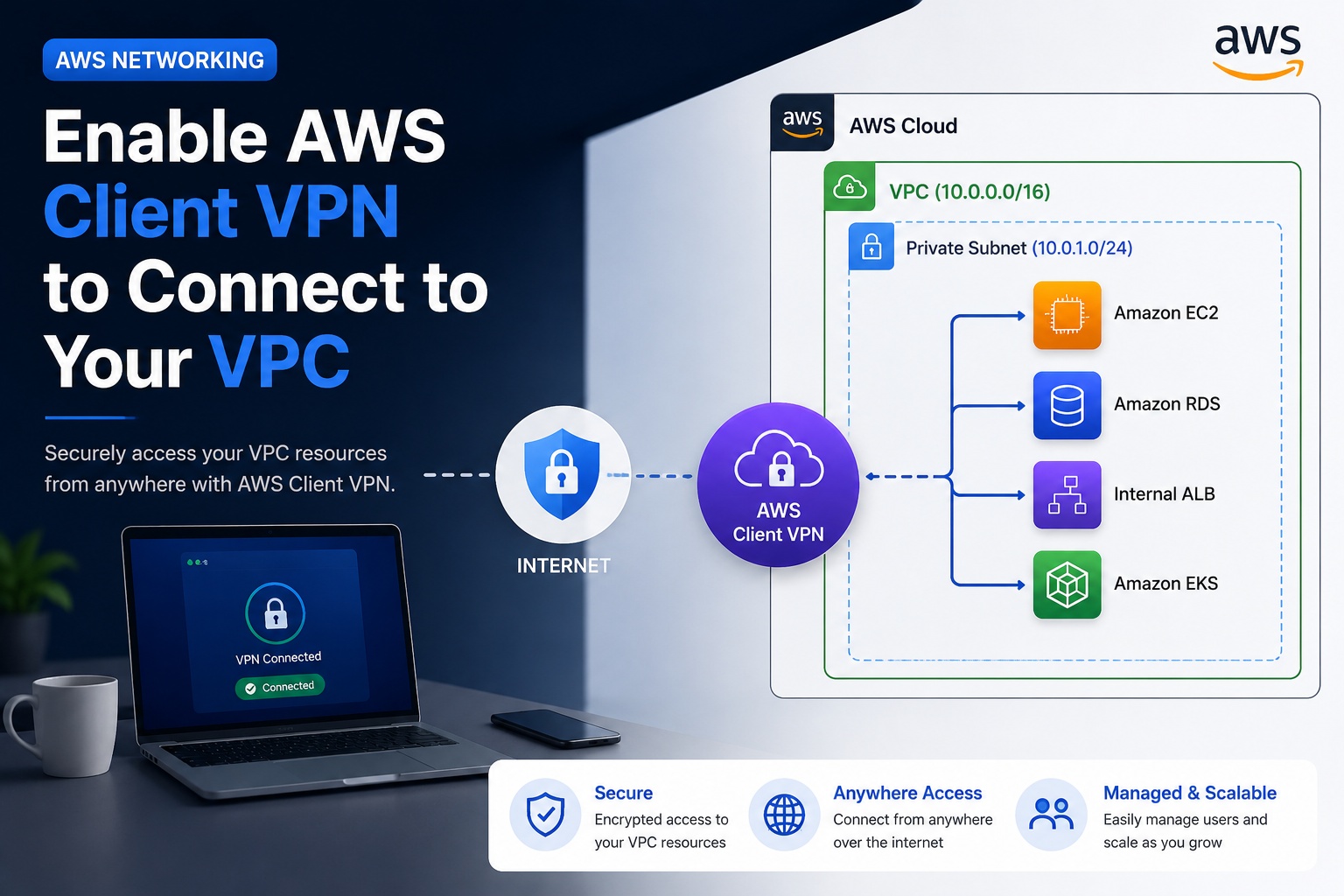
Securely Accessing VPC with AWS Client VPN
To access EC2, RDS, internal ALBs, EKS API Endpoints, etc., in a Private Subnet on AWS, Bastion Hosts were often used in the past. However, Bastion Hosts require direct operation of externally accessible servers, incurring operational burdens such as SSH port management, account management, security patching, and access log management. One alternative that can be…
-
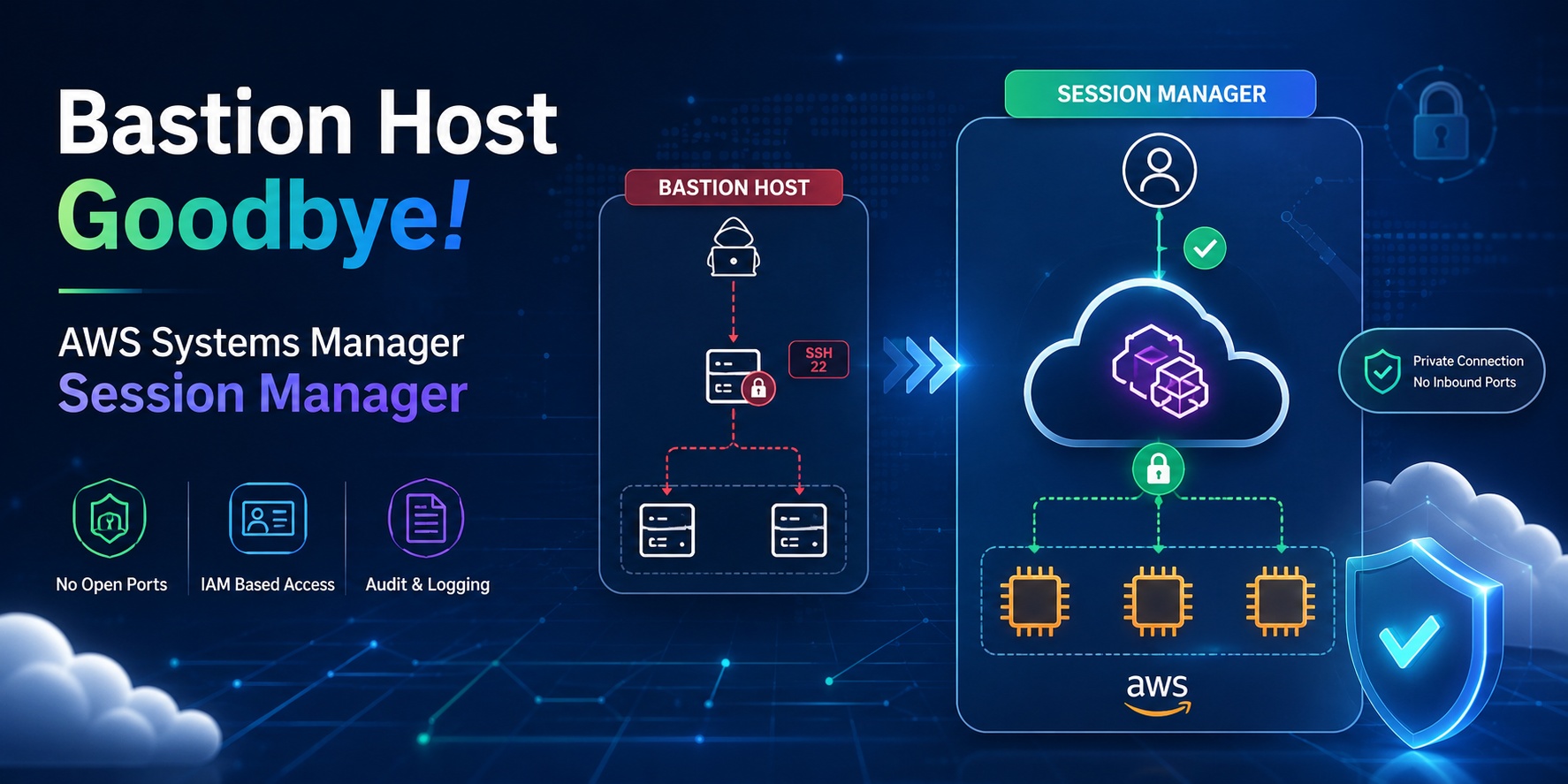
AWS Systems Manager Session Manager: Replacing Bastion Hosts
For a long time, the method used to access EC2 instances in a cloud environment was a Bastion Host. Administrators would first connect to the Bastion Host via SSH, and then connect again to servers in the internal Private Subnet. While this structure is simple and familiar, as the scale of operations grows, so do…
-
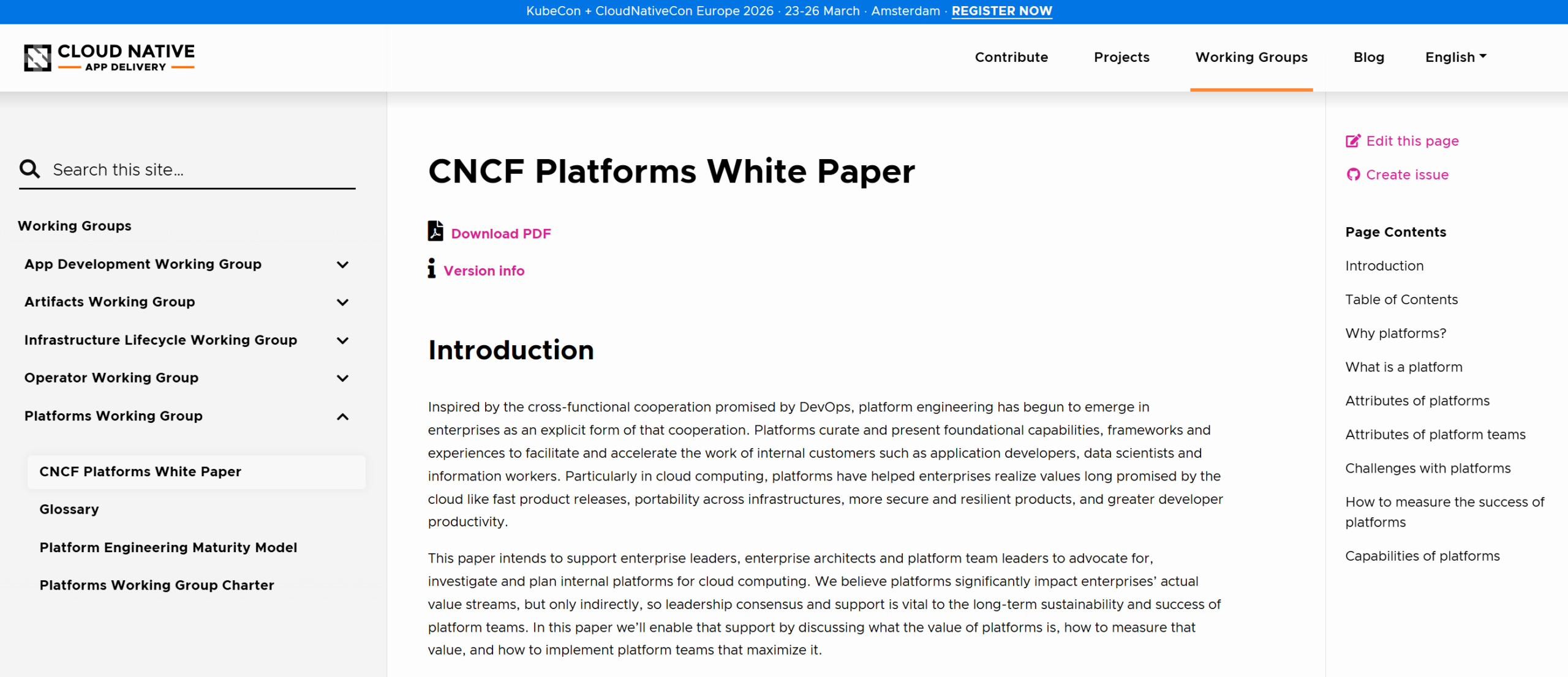
CNCF Platforms White Paper
The following article is a Gemini translation of the CNCF Platforms White Paper. Original: https://tag-app-delivery.cncf.io/whitepapers/platforms/ Introduction Inspired by the cross-functional cooperation promised by DevOps, ‘platform engineering’ has begun to emerge within enterprises as an explicit form of that cooperation. Platforms curate and provide foundational capabilities, frameworks, and experiences to facilitate and accelerate the work of…
-
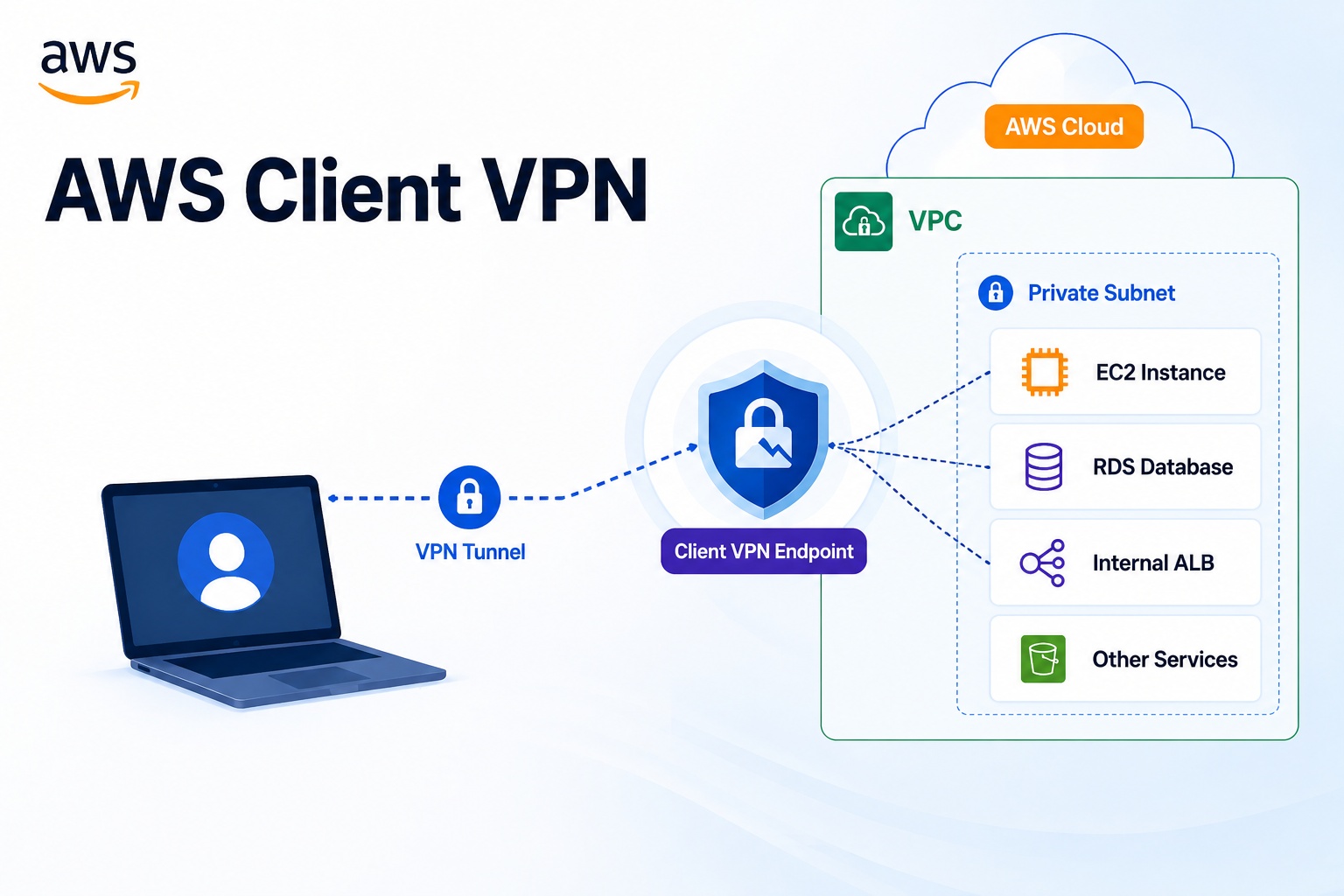
What is AWS Client VPN? A Managed VPN for Securely Connecting Remote Users to AWS VPCs
When you hear “VPN” in AWS, many people often first think of Site-to-Site VPN. However, Site-to-Site VPN is used to connect a company’s IDC, branch offices, or on-premises networks with an AWS VPC. On the other hand, when “individual user devices” such as those of developers, operators, or partners need to access internal AWS resources,…